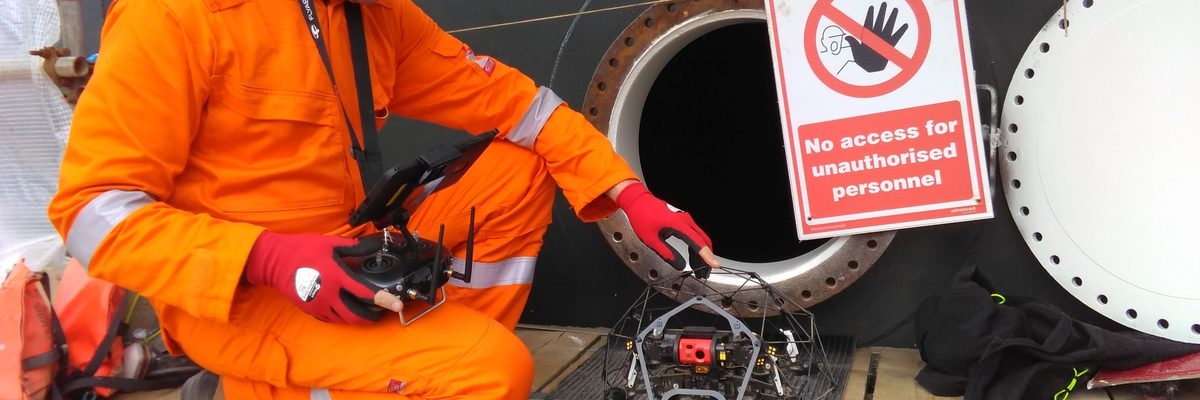
An engineer preparing a confined-space inspection drone

Confined-space vessel inspection

Draft case study generated from a sample source document for agent testing
Overview

The Job at a Glance

During a short maintenance shutdown at a food manufacturing facility in Munster, Engineers With Drones inspected the interior of a stainless steel process vessel using a confined-space drone deployed from the top manway. The capture was completed in about 90 minutes with no human entry into the vessel.

Food manufacturing site

The project took place at a facility in Munster where the client needed an internal condition survey during a planned shutdown.

90-minute field capture

Two flights completed the inspection window, allowing the vessel interior to be documented within the available shutdown period.

18m by 6m vessel interior

The asset measured approximately 18 metres high and 6 metres in diameter, with attention focused on welds, residue build-up, and roof supports.

Four deliverables in 48 hours

The client received annotated stills, full inspection video, a defect register, and a maintenance priority summary within two days.

Background

A short maintenance window with specific internal concerns

The client needed an internal condition survey of a stainless steel process vessel during a short maintenance shutdown at a food manufacturing facility in Munster. The inspection brief focused on three main concerns: residue build-up, corrosion around upper shell welds, and the condition of roof support members.

Because the vessel measured approximately 18 metres high and 6 metres in diameter, the team needed a method that could document the interior thoroughly without eroding the limited shutdown time available for the wider maintenance programme.

Methodology

How the vessel interior was captured from the top manway

Engineers With Drones deployed a confined-space drone from the top manway and used high-intensity lighting with a live video feed to inspect the vessel interior. The maintenance lead reviewed the live feed alongside the engineer during the inspection, allowing the team to confirm coverage and discuss visible issues in real time.

Two flights were sufficient to complete the field capture in about 90 minutes, and the method removed the need for personnel to enter the vessel during the inspection itself.

Findings

The inspection isolated the areas that needed cleaning and repair attention

The inspection recorded local coating failure, corrosion staining at two weld seams, and residue build-up around an inlet area. It also noted that no widespread deformation was observed across the vessel interior.

That allowed the client to target follow-on cleaning and repair work only where defects were identified instead of applying a broader intervention across the whole vessel.

Deliverables

What the client received within 48 hours

Annotated still images

Marked-up images highlighting the condition issues identified during the inspection.

Full inspection video

A complete video record of the vessel interior capture for review and internal reporting.

Defect register

A structured list of the observed issues, including coating failure, corrosion staining, and residue build-up.

Maintenance priority summary

A concise summary to help the client focus repair and cleaning activity on the confirmed defect areas.

Comparative methodology

Why they chose us

The client needed a clear internal condition survey during a short shutdown, with concerns around residue build-up, corrosion at upper shell welds, and the condition of roof support members. A confined-space drone allowed the vessel interior to be reviewed from the top manway without sending personnel inside.

Shutdown efficiency
Two flights in 90 minutes vs extended shutdown preparation

The capture was completed within the available maintenance window instead of adding a longer preparation and inspection programme.

Access strategy
Top-manway drone deployment vs confined-space entry controls

The drone was deployed from the top manway, removing the need for human entry into the vessel during capture.

Output speed
48-hour reporting vs slower manual consolidation

The client received images, video, a defect register, and a maintenance priority summary within two days of the inspection.

Efficient option Our method

Using a drone

This is what the inspection looked like using a confined-space drone and live review on site.

  • No human entry required The vessel was inspected from the top manway without sending personnel into the confined space.
  • Fast capture during a short shutdown Two flights completed the fieldwork in about 90 minutes within the planned maintenance window.
  • Live inspection review The maintenance lead reviewed the live video feed with the engineer during the inspection itself.
  • Targeted defect identification The survey recorded local coating failure, corrosion staining at two weld seams, and residue build-up around an inlet area, while noting that no widespread deformation was observed.
  • Rapid decision-ready reporting Annotated stills, the full inspection video, a defect register, and a maintenance priority summary were delivered within 48 hours.
Outcome No entry
Manned approach Traditional method

Without a drone

This is what the same inspection would have involved using a conventional internal access approach described in the source material.

  • More shutdown preparation The source notes that a conventional inspection would have extended the shutdown window before the condition survey could begin.
  • Confined-space entry controls required A traditional approach would have required confined-space entry arrangements rather than keeping personnel outside the vessel.
  • Rescue standby to coordinate The source specifically notes rescue standby as part of the conventional alternative.
  • Extra internal access equipment likely The source states that internal access equipment would likely have been needed to complete the inspection manually.
  • Slower route to repair decisions Longer setup and manual inspection steps would have delayed the point at which the client could focus cleaning and repair work on confirmed defect areas.
Impact Longer shutdown
Let's talk

Speak to an engineer about your project

Complex surveys and inspections require more than just a pilot. Our engineers can help you scope your requirements and indentify the right approach.

Talk to an engineer

+353 (0)21 202 8281

Quickest for technical scoping

Email your brief

info@engineerswithdrones.ie

Best for sending detailed specs

Next steps

Where to find out more

This draft case study sits closest to Engineers With Drones' confined-space and tank inspection work. The pages below cover the service areas most directly adjacent to this type of inspection and a related case study already on the site.

Last updated: